Engraving: A Typeface with Celestial Texture
There's a moment when a design needs to transcend the ordinary. It needs to feel not just seen, but experienced—like tracing a constellation or discovering a secret message in the night sky. This is the precise feeling the Engraving typeface captures. It’s more than a premium font; it’s a design asset that brings a textured, handcrafted quality to any project, evoking a sense of mystery and timeless elegance that standard fonts simply can't match.
The Visual Soul of Engraving: Fluid Strokes and Stellar Texture
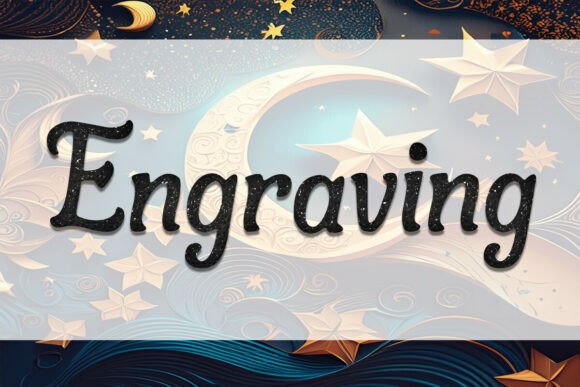
What sets Engraving apart in a sea of creative fonts is its unique dual personality. At its core, it’s a sophisticated serif font with graceful, flowing strokes that give it a rhythmic, almost calligraphic movement. But look closer, and you’ll discover its defining feature: a subtle, shimmering "stardust" texture woven into the letterforms. This isn't a flat, digital effect. It’s a tactile quality that suggests etching, fine engraving, or the gentle scatter of cosmic particles, making the typeface feel precious and deeply intentional.
This combination of fluid motion and textured detail makes Engraving an exceptional display font. It’s not designed for long blocks of body text but for moments that demand attention. Think of it as the typographic equivalent of a bespoke piece of jewelry—crafted to be admired. Its character works beautifully in deep, rich color palettes, and when paired with metallic foils in print, the textured finish interacts with light, creating a dynamic, luxurious effect that truly shines.
Where Celestial Typography Meets Real-World Projects
Understanding a font's personality is one thing; knowing where to deploy it is where the real design strategy comes in. The Engraving typeface excels in applications where brand identity and emotional resonance are paramount. Its curated, celestial charm makes it a natural fit for projects that tell a story of wonder, exclusivity, or premium craftsmanship.
- Luxury Branding & Logo Design: For boutique jewelry lines, high-end skincare, or artisanal perfumeries, Engraving creates an immediate sense of value and artistry. A logo set in this typeface doesn't just name a brand; it whispers a promise of quality and bespoke care.
- Packaging & Labels: Imagine a premium chocolate box, a vintage wine label, or a limited-edition candle with the product name rendered in Engraving. The textured finish invites touch and conveys a product that is equally crafted and special.
- Editorial & Print Materials: In magazine headings, book covers for fantasy novels, or luxury lookbooks, this font sets a dramatic, immersive tone. It pairs exceptionally well with stark, modern typography for body copy, creating a compelling contrast.
- Invitations & Stationery: From ethereal wedding invitations to exclusive event programs, Engraving adds a layer of ceremony and magic. Its script-like flow feels personal, while its structure maintains elegant readability.
- Digital Presence: Used strategically in website hero sections, social media graphics for launches, or as headers in digital magazines, it captures scrolling attention. It’s particularly effective for brands in the wellness, astrology, or bespoke fashion spaces.
Practical Wisdom: Using Engraving Effectively
Integrating a distinctive font like Engraving into your design toolkit requires a thoughtful approach to ensure it enhances, rather than overwhelms, your message. Here’s how to harness its power effectively.
Mastering Font Pairing
The key to using a strong display font is balance. Font pairing is crucial. Engraving's ornate texture demands a clean, complementary partner. A simple, geometric sans serif font works beautifully for supporting text, allowing the headline to take center stage without creating visual clutter. Alternatively, pairing it with a simple, modern serif can create a sophisticated, editorial hierarchy. Always test your pairings to ensure they create harmony, not competition.
Prioritizing Readability and Context
While stunning, the stardust texture can reduce legibility at very small sizes or in low-resolution digital contexts. Therefore, use it for headings, titles, logos, and short phrases—never for body paragraphs. Consider the viewing environment: on a wedding invitation, its texture is a tactile delight. On a mobile website header, ensure the size and contrast are sufficient for quick comprehension. Always test your designs at actual size and on various screens.
Leveraging Its Stylistic Nuances
A good typeface family often includes different styles. Check if the Engraving font package includes weights (like Regular and Bold) or alternate characters. A slightly bolder weight might offer better impact for a poster, while swash alternates could add a unique flourish to a monogram or initial letter. Exploring these included font styles gives you more creative flexibility and helps maintain visual consistency across different applications of your brand.
Understanding Commercial Licensing
For any project with a commercial intent—from client work to selling merchandise—verifying the font licensing is non-negotiable. Ensure the license covers your intended use (e.g., desktop, web, app, or print-on-demand). Using a font correctly isn't just about ethics; it protects your business and your clients from legal issues. Treat font licensing as a fundamental part of your design assets procurement.
Crafting an Unforgettable Brand Narrative
Ultimately, typography is a tool for storytelling. The Engraving typeface offers a specific narrative voice: one of wonder, precision, and curated beauty. It helps improve brand recognition by giving your visual identity a truly unique signature. In a crowded marketplace, a customer might forget a generic sans serif, but they will remember the brand whose name seemed etched by starlight.
Whether you're a designer seeking a standout creative font, a small business owner building a brand identity, or a content creator aiming for higher audience engagement