Antigua: The Typeface That Defines Refined Elegance
There's a particular moment in any design project when you realize the typography isn't just holding words—it's telling a story. You've seen it before: a brand that feels instantly trustworthy, a wedding invitation that whispers sophistication, or a social media post that stops the scroll because something about it just feels... elevated. More often than not, that feeling comes down to a carefully chosen typeface. If you've been searching for that one font that brings together timeless grace and modern clarity, the Antigua Elegant Font might be exactly what your creative toolkit has been missing.
What Makes Antigua Stand Out in a Crowded Font Market
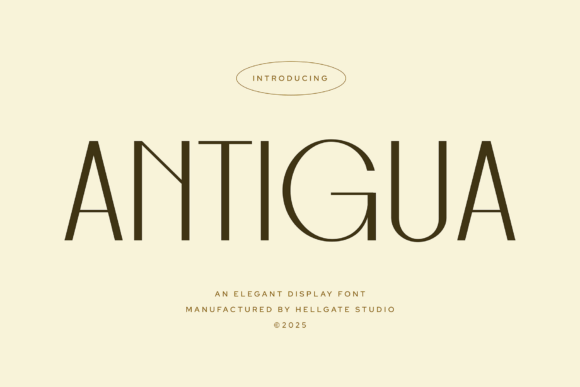
At its core, Antigua is a display serif typeface, but calling it that almost undersells what it brings to the table. Think of it as the typographic equivalent of a perfectly tailored blazer—it works in formal settings, but it doesn't feel stiff or out of place in creative contexts either. The letterforms feature clean, elongated strokes with just enough contrast between thick and thin lines to create visual interest without sacrificing legibility. There's a sleekness here that feels contemporary, yet the overall aesthetic carries a sense of heritage and permanence.
What really sets Antigua apart from other premium fonts in its category is its balance. Some elegant typefaces lean so far into ornamental detail that they become impractical for anything beyond a headline. Others strip away so much character that they read as generic. Antigua threads that needle beautifully. Each glyph has been carefully crafted to maintain its personality at different sizes, which means you can use it for a bold hero section on a website and then scale it down for a product label without losing its charm.
The font ships as a high-quality, rendered OTF file, which ensures clean output across both digital and print environments. Whether you're designing in Adobe Illustrator, Figma, Canva, or even a word processor, the curves stay sharp and the spacing remains consistent. That kind of technical reliability matters more than most people realize—nothing undermines a polished design faster than a font that renders poorly or behaves unpredictably across platforms.
Where Antigua Truly Shines: Real-World Applications
One of the most practical things about Antigua is its versatility. This isn't a one-trick typeface that only works for luxury branding or high-end editorial layouts, though it certainly excels in those spaces. Here's where designers, entrepreneurs, and content creators are finding it most useful:
- Logo design and brand identity systems: If you're building a brand from scratch or refreshing an existing one, Antigua gives you a strong typographic foundation. Its elegant proportions work beautifully for wordmarks, and it pairs well with both sans serif fonts for body copy and script fonts for accent text.
- Packaging design: From artisan food labels to skincare products to boutique candles, packaging needs to communicate quality at a glance. Antigua's refined aesthetic does that heavy lifting without requiring a dozen competing design elements.
- Social media graphics: Instagram carousels, Pinterest pins, and promotional banners all benefit from typography that feels intentional. Antigua helps your posts look professionally designed, even if you're working from a template.
- Wedding invitations and event stationery: There's a reason elegant serif fonts remain the go-to for formal invitations. Antigua brings that classic sophistication while feeling fresh enough to stand out from the crowd of overused script fonts.
- Website headers and hero sections: Pair Antigua with a clean sans serif for body text, and you've got a typographic hierarchy that looks polished and guides the reader's eye naturally.
- Editorial layouts and digital products: Whether you're designing a magazine spread, an e-book cover, or a course workbook, Antigua adds a layer of professionalism that signals credibility to your audience.
- Print materials and posters: Business cards, brochures, event posters, and flyers all benefit from a typeface that commands attention without shouting.
- Merchandise and branded products: Tote bags, mugs, notebooks—when your brand extends to physical products, having a versatile typeface like Antigua ensures visual consistency across every touchpoint.
How the Right Font Choice Impacts Your Brand and Audience
Typography might seem like a small detail in the grand scheme of a project, but its influence runs deep. Studies in visual communication consistently show that people form judgments about a brand's credibility, quality, and personality within seconds—and typeface choice plays a significant role in that snap assessment. A font like Antigua, with its inherent sense of refinement, can help position your brand as trustworthy, established, and detail-oriented.
For small business owners and entrepreneurs, this matters enormously. You might have a fantastic product or service, but if your visual presentation feels inconsistent or amateurish, potential customers will move on before they ever read your pitch. Antigua helps solve that problem by giving you a reliable typographic anchor. Once you establish it as part of your brand identity, every piece of communication—from your website to your email signature to your product tags—feels cohesive and intentional.
Readability is another critical factor that Antigua handles well. Elegant fonts sometimes sacrifice legibility for style, but this typeface maintains clear letterforms even at smaller sizes. That means your audience can actually engage with your content rather than squinting at decorative text that prioritizes aesthetics over function. For content creators and bloggers, this balance is especially important. You want your headers to look stunning, but you also need readers to stay on the page and absorb your message.
Practical Tips for Getting the Most from Antigua
Before you download and start applying Antigua across every project, a few practical considerations will help you use it more effectively. First, take time to explore the included font styles. Most premium fonts come with variations—regular, bold, italic, light—that give you flexibility within a single typeface family. Understanding what's available lets you create visual hierarchy without introducing competing fonts that muddy your design.
Font pairing is where many designers either elevate their work or send it sideways. Antigua works exceptionally well alongside clean sans serif fonts for body text. Think of it this way: Antigua handles the personality and presence, while a straightforward sans serif like Montserrat, Open Sans, or Lato manages the heavy lifting of longer paragraphs. If you're working on a project that calls for more warmth, consider pairing it with a subtle handwritten font for accent text, but use that combination sparingly to avoid visual clutter.
Always test your typography in context before finalizing. A font that looks gorgeous in a design mockup might behave differently when it's rendered on a mobile screen, printed on textured paper, or displayed against a busy background. Adjust letter spacing, line height, and color to make sure the text integrates seamlessly with your overall visual theme. One of Antigua's strengths is how easily you can tweak text color to match your palette—the clean letterforms respond well to both dark and light backgrounds without losing definition.
Don't overlook licensing, either. If you're using Antigua for commercial projects—and most of you reading this probably are—make sure you understand the terms of the license. A properly licensed commercial font protects you legally and ensures the designer who created it is fairly compensated. It's a small investment that pays dividends in professionalism and peace of mind.
Building a Visual Language That Lasts
Trends in modern typography come and go. What feels cutting-edge today can look dated in two years. That's precisely why choosing typefaces rooted in timeless principles—clean geometry, balanced proportions, thoughtful contrast—pays off in the long run. Antigua doesn't chase trends. It draws from enduring design traditions while maintaining a contemporary edge that keeps it relevant.
Whether you're a freelance designer building client brands, a small business owner crafting your first visual identity, or a content creator looking to elevate your digital presence, the fonts you choose become part of your creative voice. They shape how people perceive your work before they read a single word. Antigua gives you a voice that's confident, refined, and unmistakably polished—and in a world saturated with visual noise, that kind of clarity is worth its weight in gold.