Simple Vintage: A Typeface That Tells a Story
There's an undeniable charm in objects that carry the marks of time—the faded label on a workshop toolbox, the worn lettering on a vintage truck, the stamped text on an old shipping crate. This authentic, weathered aesthetic is exactly what the Simple Vintage font captures so effectively. It's not just a collection of letters; it's a design tool built to evoke heritage, craftsmanship, and a tangible sense of history. For creators and business owners looking to infuse their projects with rugged character and nostalgic appeal, this typeface offers a direct line to that timeless visual language.
Understanding the Simple Vintage Aesthetic
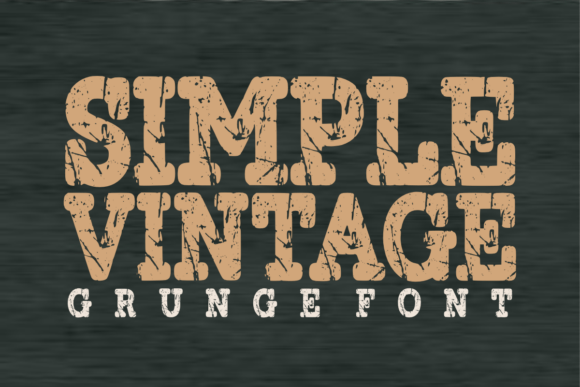
At its core, Simple Vintage is a robust display font. Its heavy, bold structure commands attention, making it ideal for headlines, logos, and any application where text needs to make a strong initial impact. What sets it apart is its distressed, textured finish. The edges aren't crisp and perfect; they're intentionally worn, as if each letter was printed with an imperfect block or aged over decades. This isn't a flaw—it's the font's primary personality trait. It communicates authenticity and a hands-on, manual quality that polished, modern typefaces often lack.
This character makes it a powerful choice for specific branding goals. Think of businesses that pride themselves on tradition, craftsmanship, or a connection to the past. A craft brewery using Simple Vintage in its logo immediately signals artisanal quality. A barber shop employing it for its signage taps into the classic, timeless nature of its trade. For a brand selling handmade leather goods, the font visually reinforces the product's handmade, durable nature before a customer even touches it. It acts as a silent ambassador for the brand's story.
Practical Applications Across Your Projects
The versatility of a well-designed display typeface like Simple Vintage extends far beyond a single logo. Its heavy, textured presence can be strategically deployed across a wide range of materials to build a cohesive and compelling brand identity.
- Logo Design & Branding: This is its natural habitat. Simple Vintage excels as the primary wordmark or as a key element within a larger logo system. Its impact ensures your brand name is memorable and visually distinct.
- Packaging Design: On labels, boxes, and tags, this font adds a layer of perceived value and heritage. It works beautifully for products like coffee, spirits, artisanal foods, or outdoor gear, suggesting a product made with care and tradition.
- Social Media Graphics: Use it for bold quotes, announcement titles, or sale banners. Its textured look stands out in a crowded feed, especially when paired with complementary imagery like wood grain, leather, or rugged landscapes.
- Website Headers & Banners: While not for body text, Simple Vintage can create a striking hero section on a website, setting the tone for the entire user experience and immediately communicating the brand's aesthetic.
- Print & Merchandise: From posters and event flyers to t-shirts, hats, and tote bags, the font translates exceptionally well to physical items. The distressed texture often looks even more authentic when printed on fabric or textured paper.
- Invitations & Editorial Layouts: For event invitations with a rustic or historical theme, or for magazine layouts focusing on heritage topics, it provides a strong stylistic anchor.
Mastering the Pairing: Creating Dynamic Contrast
One of the most effective ways to use Simple Vintage is in partnership with another font. Its bold, textured personality can dominate a layout if used alone for all text. The key is to create a balanced hierarchy.
The most reliable strategy is to pair this vintage typeface with a clean, modern sans-serif font. The contrast is not just visual—it's conceptual. The vintage font brings history and weight; the modern sans-serif brings clarity and contemporary functionality. Use Simple Vintage for your headlines, pull quotes, or logo, and then set your body copy, subheadings, or supporting information in the sans-serif. This ensures readability for longer text blocks while maintaining a compelling visual narrative. Think of it as a conversation between the past and the present within your design.
Color, Texture, and Creative Techniques
To fully harness the potential of this creative font, consider how color and layering can amplify its effect.
Color Palette: Move beyond basic black. Simple Vintage thrives with earthy, muted, or deep tones that complement its rugged feel. Try a burnt orange for a warm, autumnal vibe, a deep forest green to evoke nature and the outdoors, or a rich charcoal instead of pure black for a softer, more sophisticated look. These colors feel intentional and harmonious with the font's character.
Layering for Authenticity: Embrace the "double-stamp" effect to enhance the handmade illusion. In your design software, duplicate your text layer. Nudge the bottom layer slightly down and to the right. Reduce its opacity and perhaps change its color to a darker shade of your main text color. This simple trick adds depth, mimicking the slight misalignment of a real rubber stamp or screen print. It’s a small detail that significantly boosts the perceived authenticity of your design assets.
Making It Work: Practical Considerations
Before integrating Simple Vintage into your workflow, a few practical points will ensure a smooth process.
First, always review the included font styles and licensing. A quality premium font package will often include multiple styles (like regular, bold, or italic) and different file formats. Crucially, verify the commercial licensing terms. If you're using it for client work, merchandise, or digital products, you need to ensure the license covers your intended use. Reputable font foundries make this information clear.
Second, test your font pairings in context. Don't just look at the letters side-by-side in a word processor. Place them in your actual design mockup. Check the sizing relationship between your headline and body text. Print a test page if it's for a physical product. Readability on a screen versus a printed tag can differ.
Finally, consider your audience. While the vintage aesthetic is broadly appealing, its masculine, heritage-leaning feel is particularly resonant for certain demographics. It aligns perfectly with markets that value tradition, outdoor lifestyles, or classic craftsmanship. For a project targeting a sleek, minimalist, or highly futuristic audience, a different typeface would be more appropriate. Matching your typography to your project's core goals and your audience's expectations is a fundamental step in effective visual communication.
Ultimately, Simple Vintage is more than just a font—it's a storytelling device. It allows you to embed a sense of history and authenticity into your designs, helping your brand or project stand out with a distinct and memorable voice. By using it thoughtfully, pairing it wisely, and applying it with creativity, you can transport your audience back in time while firmly establishing your modern-day presence.