The Alphabet Handmade Font: A Tribute to Authentic Craft
There's a certain magic in the imperfect. It’s the slight waver of a hand-drawn line, the unique pressure of a brushstroke, the evidence of a human touch in a world increasingly dominated by flawless, sterile digital output. This is the magic that the Alphabet Handmade typeface captures so beautifully. It’s more than just a font; it’s a statement, a conscious rejection of the generic in favor of the genuine, the expressive, and the artfully crafted.
More Than Letters: The Soul of a Handmade Typeface
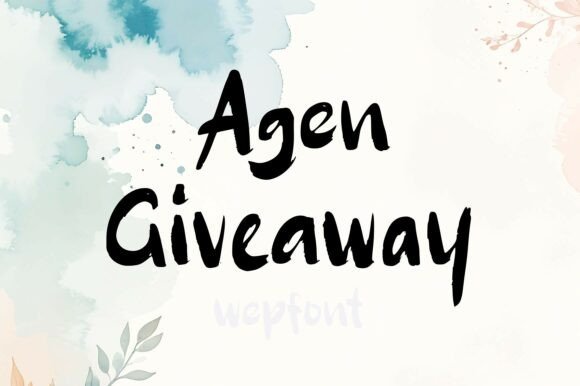
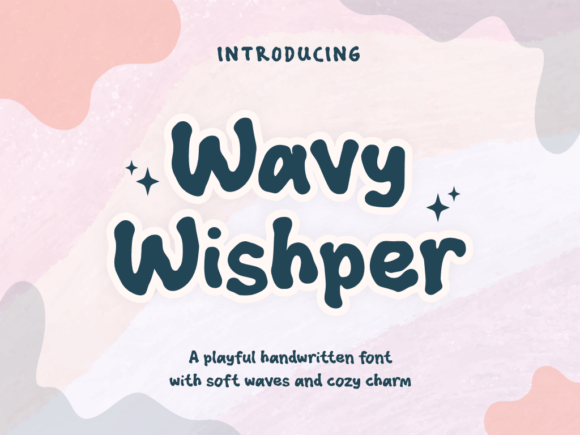
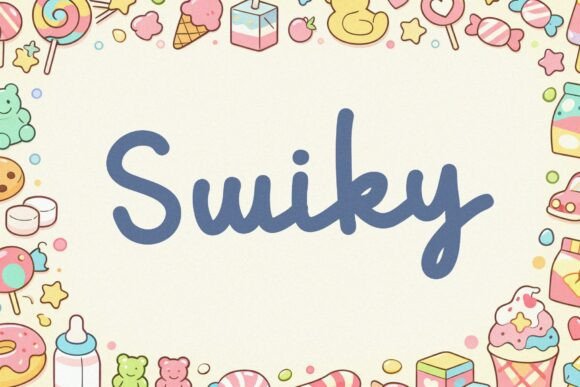
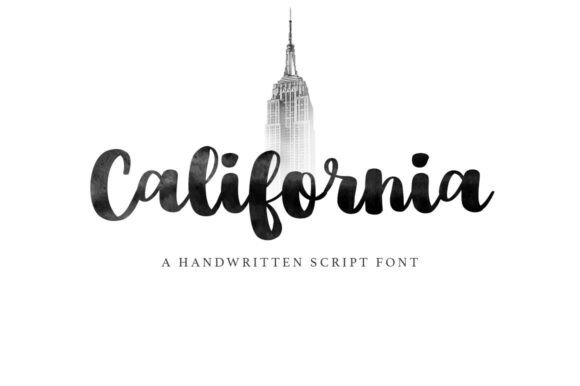
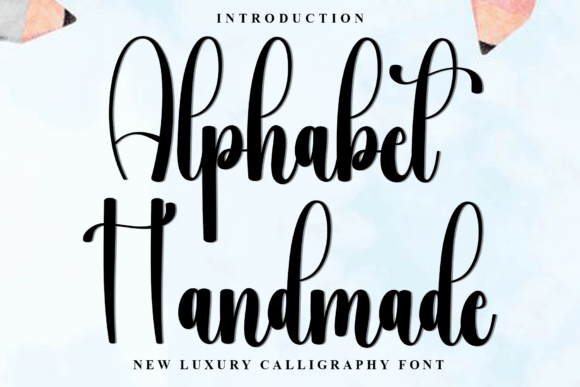
At its core, Alphabet Handmade is a premium display font that feels like a "new luxury calligraphy." It doesn't strive for the geometric perfection of a sans serif or the rigid consistency of a traditional serif font. Instead, each letterform is imbued with the character of manual creation. You can almost see the thick-nibbed pen or the loaded brush that could have formed it. The subtle irregularities—slightly varied baselines, nuanced stroke weights—are not flaws. They are the very features that give the typeface its soul, making any text set in it feel alive, bespoke, and deeply personal.
This modern typography asset is for the designer who wants to communicate more than just words. It communicates a value system: one that prioritizes craftsmanship, individuality, and the "handmade" touch. In an era of automation, choosing a handwritten font like this is a deliberate signal to your audience that your brand cares about detail, story, and authenticity.
Where Art Meets Application: Real-World Uses
The true test of any creative font is how it performs in the wild. Alphabet Handmade isn't just for looking pretty on a specimen sheet; it’s a workhorse for projects that demand personality and impact. Its "quiet luxury" aesthetic—a sophistication that comes from uniqueness, not rigidity—makes it incredibly versatile.
- Branding & Logo Design: It’s an exceptional choice for brands in the artisanal, boutique, or luxury space. Think independent perfumeries, high-end bakeries, bespoke tailors, or boutique hotels. As a logo, it instantly conveys a story of care and quality.
- Editorial & Print Design: Use it for mastheads, pull quotes, or chapter titles in magazines, books, or lookbooks. It adds an artistic, bohemian spirit to layouts, perfect for fashion spreads, travel narratives, or lifestyle publications.
- Packaging & Product Design: On a wine label, a coffee bag, or a cosmetic box, this font elevates the product. It suggests the contents are as carefully made as the typography, enhancing perceived value.
- High-Impact Marketing Assets: Create stunning social media graphics, email headers, or poster designs that stop the scroll. Its expressive nature is perfect for announcements, quotes, and campaign visuals that need to feel personal and engaging.
- Digital & Web Presence: While best used sparingly for readability, it’s perfect for hero section headlines on a website, blog post titles, or as a striking element in digital product mockups and landing pages.
- Personalized Goods & Invitations: From wedding stationery and custom monograms to embroidered goods and high-end restaurant menus, it adds an unparalleled layer of bespoke elegance.
Mastering the Craft: Practical Tips for Using Alphabet Handmade
Integrating a character-rich font like this into your design toolkit requires a thoughtful approach. Here’s how to use it effectively to strengthen your brand identity and visual communication.
Font Pairing is Everything
The key to using a strong display font is balance. Alphabet Handmade begs to be paired with something that complements, not competes. For a classic, high-contrast look that emphasizes its calligraphic roots, pair it with a clean, neutral sans serif font like Helvetica Neue or Proxima Nova. For a more contemporary, edgy feel, try it with a stark, brutalist sans serif. Avoid pairing it with other decorative or script fonts, which can create visual chaos.
Prioritize Readability and Hierarchy
This is a display font, meaning it’s designed for headlines, subheadings, and short bursts of text—not for body copy. Use it to draw the eye and set a tone, then let a highly legible font take over for paragraphs and detailed information. Establishing a clear typographic hierarchy is crucial for professional presentation and ensuring your message is both seen and understood.
Test, Test, and Test Again
Always test your chosen font in context. View it at the actual size it will be used, whether on a mobile screen, a printed poster, or a product label. Check how it looks in your specific color palette. It works exceptionally well in high-contrast schemes, like black ink on cream paper, to highlight its texture. Also, review the full font family—does it include the weights, alternates, or ligatures your project needs?
Understand the License
Before using any commercial font, always clarify the licensing. Ensure the license covers your intended use, whether for a client project, merchandise for sale, or a digital product. This is a fundamental part of respecting the craft and protecting your own work.
Elevating Your Visual Story
Choosing a typeface like Alphabet Handmade is an investment in your brand's visual story. It’s a tool that can significantly improve brand recognition, as its unique character becomes synonymous with your identity. It enhances audience engagement by creating a more human, relatable, and emotionally resonant touchpoint. In a crowded digital landscape, it offers a way to stand out not by shouting louder, but by speaking with a more authentic, crafted voice.
Ultimately, this font is for the creator who sees design as a form of communication, not just decoration. It’s for the entrepreneur who wants their brand to feel like a discovery, the marketer who believes in the power of a genuine connection, and the designer who finds joy in the beautiful imperfections of the handmade. It’s a design asset that doesn’t just complete a project—it transforms it.