Battle Box: A Playful Typeface That Sparks Joy and Creativity
Capturing a Sense of Whimsy and Retro Energy
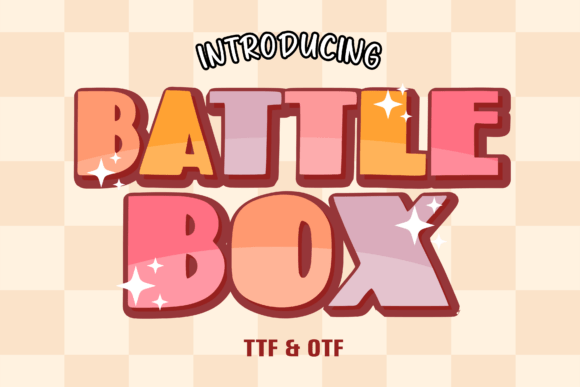
There is a specific type of energy that comes from fonts that don’t take themselves too seriously. If you have ever walked down a toy aisle or opened a vintage comic book, you recognize that feeling immediately—it is the visual equivalent of a smile. This is the exact energy that the Battle Box typeface brings to the table. It is a children’s play font that serves as a bridge between nostalgia and modern design needs. With its retro style and distinct appearance, it offers a refreshing departure from the rigid, corporate sans-serifs that dominate the web today. It is designed to inject a literal and figurative pop of color into your work, making it a valuable asset for anyone looking to add a bit of personality to their visual communication.
As designers and creators, we often find ourselves trapped in a cycle of minimalism. While clean lines have their place, there are moments in branding and marketing where you need to shout a little. You need a typeface that grabs attention not through size, but through character. Battle Box does exactly that. It carries a promise of fun and imagination, making it suitable for everything from poster designs and stickers to detailed comic layouts and engaging children's books. It captures a vibe that is playful yet structured enough to remain legible, a balance that is often difficult to find in display fonts.
The Retro Aesthetic in Modern Branding
We are currently witnessing a massive shift in visual trends. Consumers, particularly those in the Millennial and Gen Z demographics, are gravitating toward brands that feel authentic and human. The "perfect," sterile aesthetic of the early 2010s is being replaced by textures, grit, and personality. This is where a typeface like Battle Box becomes a secret weapon for brand identity. When you use a font that mimics the hand-crafted, playful style of a bygone era, you instantly humanize your brand. It tells your audience that you value creativity and approachability over rigid corporate standards.
Consider the impact of typography on logo design. A logo sets the tone for every interaction a customer has with your business. If you are launching a boutique bakery, a family-focused blog, a toy store, or even a creative agency targeting younger demographics, a standard serif or sans-serif font might feel too cold. Battle Box offers a solution that feels warm and inviting. It provides that crucial first impression of friendliness. It suggests that your brand is here to entertain, to delight, and to engage. It is not just about looking good; it is about signaling to the right audience that they have found a place where they belong.
Practical Applications for Creators and Entrepreneurs
The versatility of a good display font lies in its ability to adapt to different mediums without losing its soul. Battle Box is engineered to be a workhorse for creative projects. Its design characteristics—likely featuring bold strokes and playful geometry—make it ideal for high-impact visuals. However, its utility goes far beyond just looking pretty on a screen.
Here is how you can practically apply this typeface across various design assets:
- Packaging Design: In a crowded market, your product packaging needs to jump off the shelf. Using Battle Box for headers or product names can create a focal point that draws the eye, especially for food products, children's toys, or artisanal crafts.
- Social Media Graphics: The scroll-stopping power of Instagram or TikTok relies heavily on visuals. A retro, playful font cuts through the noise. It is perfect for quote graphics, sale announcements, or story highlights that need to feel energetic and urgent.
- Merchandise and Apparel: T-shirts, tote bags, and stickers thrive on typography that speaks. Battle Box works exceptionally well for merchandise because its bold nature translates effectively to print, ensuring the message remains clear on fabric or vinyl.
- Editorial and Web Design: While you wouldn't use a display font for body text, it is invaluable for headers in blogs or landing pages. It breaks up the monotony of reading, guiding the user’s eye and making the content feel more accessible and fun.
For small business owners, the ability to use a single font family across multiple touchpoints—website, social media, and print materials—is a huge advantage. It creates a cohesive look without requiring a complex design system. It simplifies the design process while elevating the final output.
Pairing Strategies and Visual Consistency
One of the most common questions I hear from content creators is how to handle font pairing. A font like Battle Box is bold and expressive; therefore, it demands a partner that is quiet and supportive. If you pair it with another loud font, the result will be visual chaos. The goal is contrast.
Because Battle Box leans toward a retro, playful aesthetic, it pairs beautifully with clean, modern sans-serif fonts. Think of fonts like Montserrat, Lato, or Open Sans for your body text. The clean lines of the sans-serif will allow the headers set in Battle Box to shine without competing for attention. Alternatively, if you want to lean into a more vintage feel, a simple, readable serif font can work, provided the weight difference is significant enough to create hierarchy.
When testing your pairings, pay close attention to readability. Display fonts are designed for impact, not for long paragraphs. Use Battle Box for headlines, sub-headers, and call-to-action buttons. Use your secondary font for the heavy lifting of information. This approach not only improves the user experience but also ensures that your design looks professional. A common mistake in amateur design is using a "fun" font for everything, which leads to eye strain and a lack of hierarchy. By respecting the font's intended role, you maintain a professional presentation.
Technical Considerations and Licensing
Before integrating any new typeface into your workflow, it is crucial to understand what you are getting. When you acquire a premium font like Battle Box, you are usually paying for more than just the basic letters. Look to see if the font includes different weights or styles. Does it come with a bold version? Is there an italic option? Sometimes, playful fonts include alternates or ligatures that allow you to customize the look of specific letters, adding a unique touch to your designs.
Furthermore, always review the commercial licensing terms. This is a step many entrepreneurs skip, often to their detriment. If you are using the font for a client project, merchandise for sale, or a logo that will be trademarked, you need to ensure your license covers these uses. Most reputable font marketplaces make this clear, but it is your responsibility to check. Using a font correctly ensures you avoid legal headaches down the road and supports the type designers who create these tools for us.
Adding Personality to Your Next Project
Design is ultimately about communication. It is about using visual language to tell a story, evoke an emotion, and drive an action. While technical proficiency is important, it is the personality of your design that makes it memorable. Battle Box is more than just a collection of vector points; it is a vessel for nostalgia, energy, and joy. Whether you are designing a birthday invitation, a new logo for a startup, or a layout for a children's educational app, this font offers the tools to make your work stand out. It reminds us that design doesn't always have to be serious to be effective. Sometimes, the best way to connect with your audience is to invite them to play.