Fun Outline: A Font That Brings Personality to Every Project
Sometimes a project just needs a spark of joy. You're designing a birthday invitation, a flyer for a community event, or the packaging for a new line of kids' snacks, and the standard sans serif feels too corporate. The script font is too formal. What you need is something that immediately communicates playfulness, energy, and a hand-crafted touch. This is where a typeface like Fun Outline enters the picture, offering a distinct visual voice that can transform a mundane layout into something memorable and engaging.
More Than Just a Whimsical Typeface
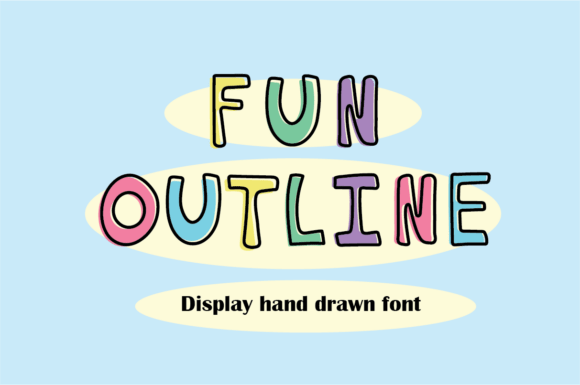
At its core, Fun Outline is a display font designed for impact. Each character features a bold, hand-drawn outline filled with a whimsical, colorful pattern. This dual-layer structure gives it a unique texture and depth that flat fonts can't match. It’s not just a handwritten font; it’s a playful illustration in itself. The irregular edges and vibrant fills mimic the look of a child's coloring or a marker drawing, which instantly injects personality and warmth into any design.
This makes it an incredibly effective tool for specific brand identity goals. For a business targeting families, children, or a fun-loving audience, this font does more than just spell out words—it sets a tone. It tells your audience, "We're approachable, creative, and here to have a good time." That non-verbal communication is powerful in logo design and packaging design, where first impressions are formed in milliseconds.
Practical Applications for Real-World Projects
Where does a font like this actually work? The applications are broader than you might think. It’s a versatile design asset for anyone working in the creative space.
- Children's Products & Education: This is its natural habitat. Think book titles, educational worksheet headers, toy packaging, and kids' clothing labels. The font's inherent cheerfulness makes learning materials more inviting and products more appealing to young eyes.
- Events & Invitations: Birthday parties, baby showers, school fairs, and community festivals. Fun Outline makes event titles and key details pop, setting the celebratory mood right from the envelope.
- Small Business Branding: A bakery, a toy store, a children's dance studio, or a craft subscription box can use this font for their logo, menu headers, or loyalty cards to reinforce a friendly, creative brand personality.
- Social Media & Digital Content: In the crowded space of social media graphics, a bold, colorful font stops the scroll. Use it for Instagram post titles, YouTube thumbnails, or Pinterest pin headlines to grab attention quickly.
- Merchandise & Apparel: The font's outline style is perfect for single-color printing on t-shirts, tote bags, and mugs. It creates a strong, graphic statement that stands out.
The key is matching the font's personality to your project's goals. It’s not the right choice for a law firm's annual report, but it’s perfect for a startup's playful brand guide or a blog's featured post about DIY crafts.
Pairing for Professionalism and Readability
One of the most important aspects of using a premium font with a strong character is knowing how to balance it. Fun Outline is a star player, but it needs a supporting cast. Its bold, detailed nature means it’s best used for headlines, short phrases, and logos—not for body text.
For visual consistency and readability, pair it with a clean, simple companion. A neutral sans serif font for body copy creates a perfect contrast, allowing the headline font to shine without overwhelming the reader. A simple serif font can also work for a slightly more classic, yet still playful, pairing. Always test your combinations. Write out a sample headline and a paragraph of body text to see how they interact on screen and in print.
Consider the included font styles as well. A well-designed font family like this might come with variations—perhaps a solid fill version or different weight outlines. Using these variations can add depth to a single design while maintaining cohesion, a smart move for editorial design or creating a series of marketing assets.
Making It Work for Your Brand and Audience
Before you dive in, a few practical considerations will ensure success. First, always review the commercial licensing. If you're using it for a client project, merchandise for sale, or digital products, you need to ensure the license covers your intended use. Reputable font foundries make this information clear.
Second, think about your audience's perception. While "fun" is the goal, ensure the font's style aligns with the specific kind of fun you want to convey. Is it energetic and loud, or cheerful and gentle? The whimsical fill of Fun Outline leans toward a sweet, artistic cheerfulness.
Finally, test it in context. Mock up your web design, your packaging, or your poster before finalizing. See how the colors in the font fill interact with your brand palette. Does it maintain clarity at the size you'll use it? A font that looks great at 72pt on screen might lose its detail when printed small.
Choosing the right typeface is a strategic decision. A font like Fun Outline isn't just a tool for setting text; it's a creative font that carries emotion and meaning. Used thoughtfully, it can become a cornerstone of a brand's visual identity, making communications more joyful and far more memorable. It’s about finding that perfect match where design meets personality, creating something that truly connects with the people you’re trying to reach.