Sponge Crunch: The Bubbly Font That Brings Instant Joy
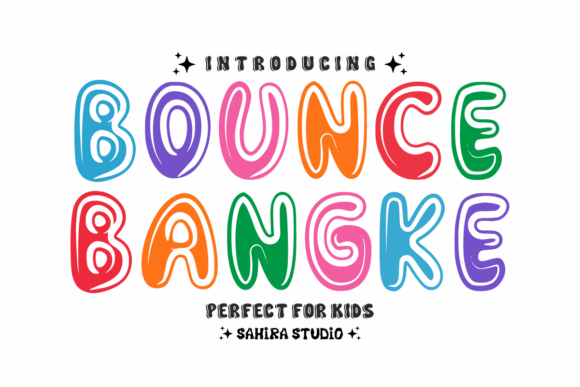
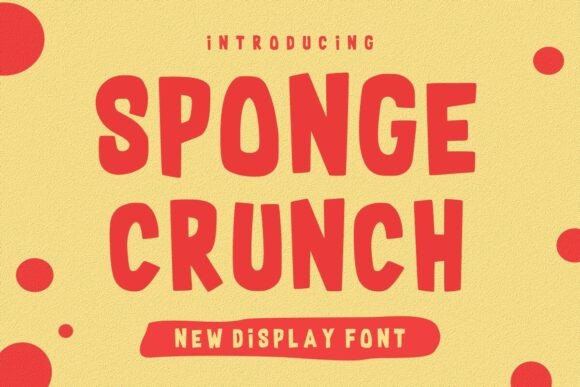
There's something magnetic about a typeface that makes you smile before you've even read the words. That's the immediate effect of Sponge Crunch, a cartoon-inspired display font that practically vibrates with energy and warmth. Whether you're designing a birthday invitation, building a children's brand, or creating social media posts that stop the scroll, this font delivers a sense of playful confidence that's hard to ignore.
What makes it work so well? The letterforms feel hand-crafted — chunky, slightly irregular, and full of personality. Each character looks like it was sculpted from soft clay or shaped out of foam, giving the entire typeface a tactile, three-dimensional quality. It doesn't try to be sleek or minimal. Instead, it leans into its bold, bouncy nature, and that honesty is exactly what makes it so effective for projects that need to feel fun, approachable, and full of life.
Why Playful Typography Matters More Than You Think
Typography is one of the most underestimated tools in a designer's or business owner's toolkit. The fonts you choose don't just display words — they set a mood, communicate values, and shape how people perceive your brand before a single sentence is absorbed. A stiff, corporate serif font tells one story. A loose, handwritten script tells another. And a bold, cartoon-style display font like Sponge Crunch tells a very specific story: this is going to be fun.
For anyone working in children's products, family-oriented services, entertainment, food branding, or creative education, that message is invaluable. Parents browsing a toy store shelf, kids picking out a cereal box, or event planners scrolling through invitation templates — they're all responding to visual cues long before they process the actual content. A font that radiates joy doesn't just look nice. It does real strategic work.
Where Sponge Crunch Shines in Real Projects
The versatility of a well-designed cartoon font extends far beyond children's book covers. Here are some of the most effective ways creative professionals and small business owners are putting display fonts like this to work:
- Logo design for toy shops, bakeries, daycare centers, kids' clothing lines, and entertainment brands
- Packaging design for snacks, candy, party supplies, and playful consumer products
- Social media graphics that need to pop in a crowded feed — think Instagram stories, YouTube thumbnails, and TikTok overlays
- Website headers and hero sections where a bold headline can set the tone for an entire user experience
- Blog post titles for lifestyle, parenting, food, or craft blogs that want a friendly, approachable voice
- Print materials like flyers, posters, menus, and event programs
- Merchandise including t-shirts, tote bags, stickers, and mugs
- Digital products such as printable planners, educational worksheets, and party invitation templates
- Editorial layouts for magazines, zines, or newsletters targeting a younger or family-oriented audience
- Marketing assets like email headers, banner ads, and promotional signage
The key is understanding that a display font like Sponge Crunch isn't meant for body text. It's designed to command attention at larger sizes — headlines, logos, signage, and hero graphics. Used correctly, it becomes the visual anchor that ties a project together.
Pairing It With Other Fonts for a Balanced Design
One of the most practical questions designers face is how to pair a bold, personality-driven font with something more functional. A cartoon display font works best when it's complemented by a clean, readable companion for supporting text.
Try pairing Sponge Crunch with a simple sans serif font for body copy — something like a geometric or humanist sans that won't compete for attention but still feels modern and approachable. If your project leans more editorial or storytelling-driven, a soft serif font can add a touch of warmth and credibility alongside the playful headline type.
Avoid pairing it with other heavily stylized fonts — script fonts, handwritten fonts, or decorative typefaces. The goal is contrast. Let the display font do the heavy lifting in terms of personality, and let the secondary font handle clarity and readability.
When testing pairings, always check how the fonts look together at the actual sizes you'll be using. A combination that looks balanced on a business card might feel cluttered on a poster, or vice versa. Zoom in, zoom out, and print a test if you're working on physical materials.
Building Brand Recognition With a Distinct Typeface
Consistency is one of the most powerful forces in branding. When a business uses the same typeface across its logo, packaging, social media, website, and printed materials, it creates a visual thread that customers learn to recognize over time. That recognition builds trust, and trust drives loyalty.
A font like Sponge Crunch can become the cornerstone of a brand identity for businesses that want to project energy, creativity, and approachability. Think about how instantly recognizable certain brands have become simply through their typography. A children's party supply company, a local ice cream shop, or a kids' fitness studio could all build a memorable visual identity around a typeface that feels this alive.
The trick is committing to it. Use it consistently across every touchpoint. Don't switch fonts every season or across different platforms. When your audience sees those bouncy, rounded letters, they should immediately think of your brand.
Practical Tips for Getting the Most Out of a Display Font
Before you start using any new typeface in a professional or commercial project, there are a few things worth checking:
- Review the full character set. Does it include uppercase, lowercase, numbers, punctuation, and special characters? A robust character set means fewer surprises when you're deep into a design.
- Check the available styles. Some display fonts come with alternate characters, ligatures, or multiple weights. These extras can add variety and flexibility to your designs.
- Understand the licensing. If you're using the font for commercial purposes — selling products, creating client work, or distributing digital files — make sure the license covers that use. This is especially important for print-on-demand services and merchandise.
- Test readability at your target size. A font that looks great at 72pt on screen might lose its charm at 14pt on a business card. Always test in context.
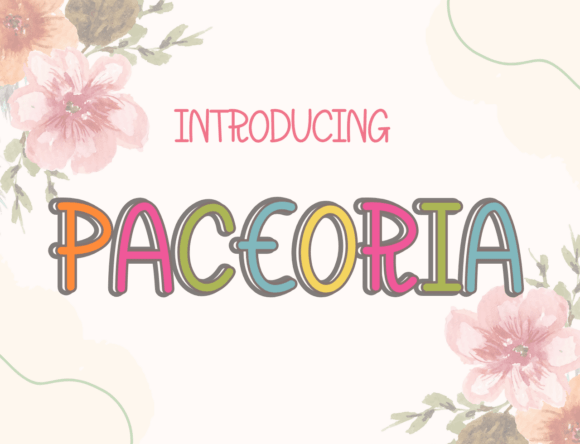
- Consider your color palette. Bold, playful fonts tend to work best with vibrant, saturated colors. Pastels can soften the effect, while high-contrast combinations (like bright yellow on deep navy) amplify the energy.
Taking a few extra minutes to evaluate these details upfront saves time and ensures your final designs look polished and intentional rather than thrown together.
Matching Font Personality to Project Goals
Not every project calls for a bubbly, high-energy typeface — and that's perfectly fine. The real skill in typography isn't finding the "best" font. It's finding the right font for the specific message you're trying to send.
Sponge Crunch is an excellent choice when your project needs to feel welcoming, energetic, and fun. It works beautifully for audiences that include children, families, and anyone who responds to warmth and playfulness. It's less suited for projects that require formality, minimalism, or a serious tone — a law firm's website or a luxury watch brand's packaging would call for something entirely different.
Think about the emotion you want your audience to feel when they first encounter your design. If the answer is delight, excitement, or curiosity, a cartoon-style display font is a strong starting point. If the answer is trust, authority, or sophistication, you'd be better served by a refined serif or a clean sans serif.
The best designers don't just pick fonts they personally like. They pick fonts that serve the project's goals and resonate with the intended audience. That distinction is what separates good design from great design.
Bringing It All Together
A typeface is never just a collection of letter shapes. It's a voice. It's a mood. It's the first impression your project makes before a single word is read. Sponge Crunch speaks in a voice that's loud, cheerful, and impossible to overlook — and for the right project, that's exactly what makes it so valuable.
Whether you're a small business owner building a brand from scratch, a designer crafting social media content for a client, or a hobbyist creating party invitations for your kid's birthday, having a go-to playful display font in your toolkit gives you a creative advantage. It lets you communicate joy instantly, and in a world full of visual noise, that kind of clarity is worth its weight in gold.