Sewing Doodles: Stitching Personality into Every Project
There’s a particular kind of charm in the imperfect, hand-stitched line. It carries warmth, intention, and a touch of nostalgia. For designers and creators, capturing that feeling in digital work can be a challenge. The right typography bridges that gap, offering the aesthetic of handcraft with the precision of digital tools. Enter Sewing Doodles, a dingbat and doodle font that does more than just display letters—it tells a story. This isn't just a collection of glyphs; it's a toolkit for injecting personality and a handmade feel into a wide array of creative projects, from branding to personal journals.
A Typeface with a Handmade Heart
What sets this typeface apart is its fundamental concept. Each capital and lowercase letter is rendered as if sketched with a sewing needle or drawn in the margin of a pattern book. The lines have a slightly uneven, organic quality that immediately evokes the tactile experience of fabric and thread. This visual style makes it a standout display font, perfect for headlines and short bursts of text where character is paramount. It’s a creative font designed for impact, not for setting long paragraphs of body copy. Its strength lies in its ability to communicate a specific niche—sewing, crafting, handmade goods, cozy living—with instant clarity.
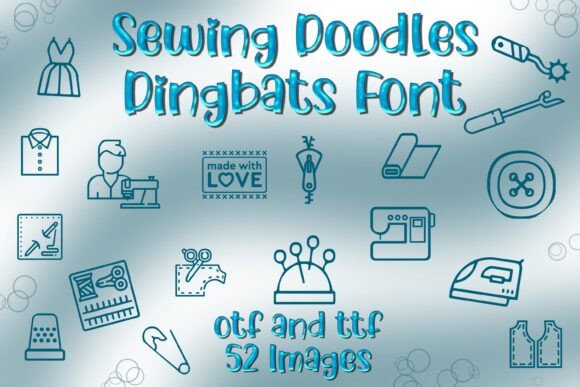
The inclusion of both OTF and TTF formats ensures broad compatibility, whether you're working in Adobe Creative Suite, Canva, or other design software. For those who want even more flexibility, the provided JPG images of each letter and matching doodle are a game-changer. They function as ready-made design assets, allowing you to color, layer, and manipulate them independently. Imagine placing a stitched letter "A" on a digital fabric swatch or using a scissors doodle as a standalone icon. This dual approach—the font file for text and the image set for clipart—provides immense creative freedom.
Practical Applications for Modern Creators
Understanding where to deploy a specialty font like this is key to its value. Its visual consistency can unify a project with a clear, handmade theme. Here’s how different professionals can leverage its unique personality:
- For Brand Identity & Logo Design: A boutique fabric store, an independent pattern maker, or a handmade Etsy shop can use Sewing Doodles in their logo to instantly communicate their niche. Paired with a clean sans serif font for contact information, it creates a balanced and recognizable brand identity.
- For Packaging & Merchandise: Imagine this font on hang tags for handmade clothing, on the packaging for artisanal sewing kits, or on labels for spools of thread. It adds a layer of perceived authenticity and care that resonates with customers seeking handmade quality.
- For Social Media & Digital Marketing: In a crowded feed, the textured, personal look of these letters can stop the scroll. Use it for Instagram story headers, Pinterest pin titles, or Facebook event graphics for a sewing workshop. It boosts audience engagement by feeling more personal and less corporate.
- For Print Materials & Invitations: From wedding invitations with a vintage, crafted feel to posters for a local craft fair, the font adds a whimsical, inviting touch. It’s equally at home on scrapbook layouts, planner stickers, and greeting cards.
- For Editorial & Web Design: Use it sparingly in blog post titles, chapter headings in a digital magazine, or as decorative elements on a website for a quilting blog. It can guide the reader’s eye and reinforce the site’s overall aesthetic.
Integrating the Font: Pairings and Professional Polish
A common question with a highly stylized font is: "What do I pair it with?" The key is contrast and hierarchy. Sewing Doodles, as a handwritten font, should be the star of the show for headlines or logos. For supporting text, legibility is crucial. This is where a neutral, well-structured serif font or a simple sans serif font comes in.
Consider pairing it with a timeless serif like Garamond for an elegant, vintage feel, perfect for an invitation to a gala with a "handmade" theme. For a more modern, clean look—a blog or a minimalist shop—a sans serif like Montserrat or Open Sans provides excellent readability without competing for attention. Always test your font pairings in context. See how they look on a mobile screen, in a printed mock-up, or on a social media post. The goal is a professional presentation where the decorative font enhances, rather than hinders, the message.
When using the included JPG letters, think like a collage artist. Layer them over textured backgrounds, combine multiple letters to form a monogram, or use the doodles—like a spool of thread or a sewing machine—as thematic dividers in a document. This approach moves beyond simple typography into the realm of custom illustration, allowing you to create truly unique marketing assets and digital products like printable wall art or planner kits.
From Hobbyist Project to Commercial Asset
The true power of a resource like Sewing Doodles lies in its dual nature. For the hobbyist, it’s a way to personalize a journal, create custom thank-you cards, or design a logo for a personal crafting blog. It adds a professional touch to passion projects.
For the entrepreneur or small business owner, it’s a commercial font that can become integral to your visual communication strategy. Using a consistent, thematic font across your packaging, social media, and website builds strong brand recognition. Customers begin to associate that stitched, friendly aesthetic with your business, fostering trust and loyalty. Before using it in commercial projects, it's always wise to review the specific licensing terms included with your purchase to ensure it covers your intended use.
Ultimately, typography is a silent ambassador for your brand or project. Choosing a font like Sewing Doodles is a deliberate decision to communicate values of craftsmanship, attention to detail, and warmth. It’s a tool for designers, a branding asset for businesses, and a source of joy for creators. It proves that sometimes, the most effective way to connect is to show the hand of the maker, one digital stitch at a time.